MBRF adopts a management approach based on the efficient and responsible use of natural resources, ensuring that its operations grow sustainably and in line with global best environmental practices.
Our commitment ranges from reducing environmental impacts to promoting technological innovation to increase process efficiency, optimize resource use, and strengthen operational resilience.
To achieve this, we rely on a robust Environmental Management System, aligned with corporate Sustainability and HSE policies, the requirements of ISO 14001, and internal operational excellence programs. Through continuous investment in technology, research and development, we drive improvements in water, energy, wastewater and forest assets.

Water use management
Water is an essential input for our operations, and therefore we have adopted a rigorous water management system that covers all stages — from collection to treatment and return to water sources.
Our initiatives encompass the continuous optimization of production processes to reduce consumption and waste, as well as the reuse and recycling of water, strengthening the circular economy.
We maintain constant monitoring of concession limits and quality standards, ensuring compliance and transparency. We also operate our own Water Treatment Plants, ensuring potability in accordance with local legislation and international standards. Additionally, we invested in expanding measurement and automation technologies, increasing operational efficiency and strengthening the reliability of water data.
In several facilities in Brazil and abroad, reuse practices already represent a significant portion of consumption — reaching 100% in Kizad (United Arab Emirates). In total, more than 90% of the water collected is returned to the environment after proper treatment.
Indicator-driven management
We are implementing the Environmental Sustainability Index (ISA) more comprehensively at MBRF, ensuring greater depth in the analysis of environmental issues. ISA supports regulatory and environmental excellence by measuring, throughout the year, the adherence of production units in three dimensions:
40%
Legal Requirements
40%
operational practices
20%
waste management
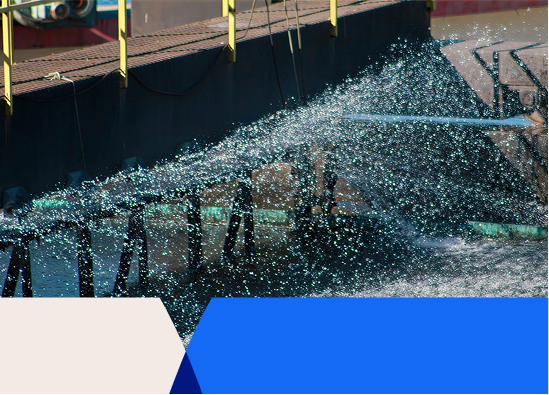
Water Security
MBRF continuously monitors its exposure to water scarcity and availability through internationally recognized methodologies, such as the WWF (Water Risk Filter), allowing it to identify the most vulnerable units, map quality and quantity risks, anticipate critical events, guide investments, and structure contingency plans.
Most of our facilities are located in areas considered to have low exposure to significant water risks in the different countries where we operate. Regions with higher water stress receive special attention, and all operations include preventative plans. The company also actively participates in river basin committees and forums to strengthen governance and influence public policy.
Participation in river basin forums and committees.
MBRF maintains an active role in strategic water management initiatives, focusing on strengthening environmental governance and mitigating risks associated with water resource management. The agendas of these forums prioritized the protection of water sources and soil conservation, the improvement of water use charges and criteria for resource allocation, and transparency and self-monitoring.

Wastewater Management
We deal 100% of the effluents
generated in our operations before being returned to the environment, and all of our own units are licensed by environmental agencies, ensuring environmental compliance.

MBRF maintains a strong commitment to responsible wastewater management, ensuring that all water used in its production processes is treated and returned to the environment according to the strictest quality standards. We operate with a preventive, technological and continuously improving approach, reinforcing the protection of water resources and the sustainability of the regions where we operate.
Our Wastewater Treatment Plants — present in all industrial units — utilize physical-chemical and biological processes to remove organic matter and ensure environmental compliance.
We also conduct regular water quality analyses of rivers used for intake and discharge, ensuring that our operations do not alter local conditions.
In addition to our own operations, we work with our suppliers to disseminate best practices in wastewater management, offering technical guidance, site visits, and training focused on preventing impacts and complying with environmental legislation.
We continue investing in modernizing the infrastructure.
One example is the new wastewater treatment plant at the Colônia unit (Uruguay), which incorporates more efficient technologies such as dissolved air flotation (DAF) and sludge dewatering systems, strengthening the safety and quality of the treated effluent. The aerobic treatment methodology is also making progress at the Company: 85% of eligible facilities already use aerated lagoons, significantly reducing the pollutant load before final discharge.
Good practices in the supply chain
At MBRF, we recognize that responsible water and wastewater management needs to extend beyond our own operations. Therefore, we have extended this commitment to the entire supply chain, promoting awareness of the efficient use of water and the proper disposal of effluents, preventing the contamination of water sources and ensuring the sustainability of rural properties.
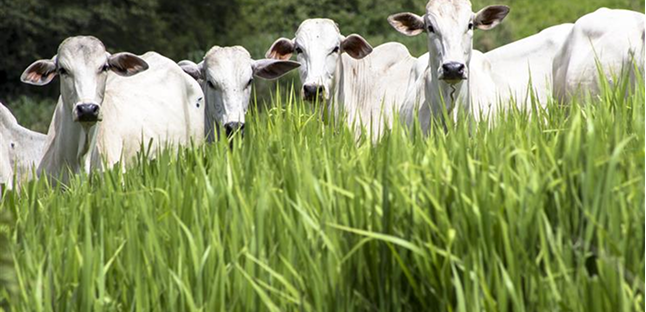
Cattle suppliers
Through MBRF Club Practices Guide Sustainable We support livestock farmers in adopting techniques that reduce waste and strengthen the protection of water resources and effluent management. We offer guidance, technical materials, and periodic site visits to identify opportunities for improvement and ensure that all steps comply with environmental legislation. We also monitor water risks in the supply chain through geospatial analyses integrated with the deforestation risk mitigation map.
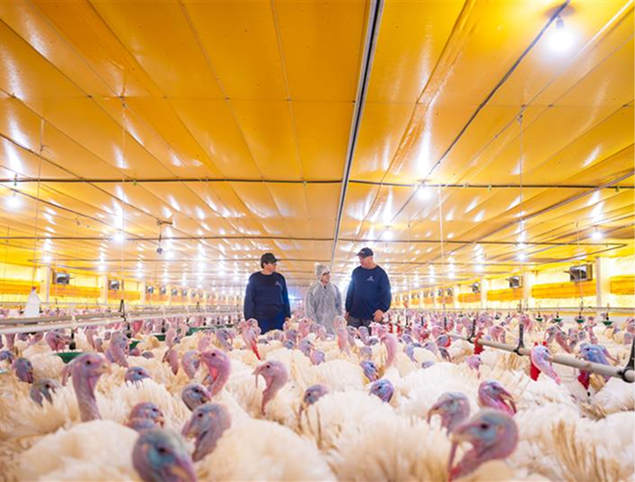
Integrated poultry and swine producers
We carry out environmental management of natural resources with integrated poultry and swine producers in a structured manner, aligned with best sustainability practices and current legislation.
We have established technical, environmental, and operational guidelines that guide producers on the responsible use of natural resources, with emphasis on the management of water, soil, waste, and effluents, and compliance with these requirements is a condition for maintaining integration contracts.
This model is supported by technical assistance, monitoring and continuous follow-up, promoting the mitigation of environmental risks, the continuous improvement of environmental performance and the sustainability of the production chain.
Conservation and preservation of biodiversity
MBRF works to conserve essential ecosystems, ensure deforestation-free supply chains, restore landscapes, and promote a responsible, regenerative, and long-term relationship with nature. These initiatives reinforce the company’s commitment to protecting ecosystems and to a production model that promotes a balance between production, climate, and biodiversity.
Highlights

Control of natural resource use, fire prevention, and responsible management of forest assets.

Participation in Biomas, with the goal of restoring 4 million hectares and planting 2 billion trees.

Strict management of protected areas, APPs (Permanent Preservation Areas), and Legal Reserves.

Maintenance of 27,600 hectares of forest assets dedicated to the production of energy biomass.

Zero deforestation and conversion in all biomes (Amazon, Cerrado, and others).

Full traceability of direct and indirect suppliers of cattle and grains.
Responsible management of forest assets.
We manage a vast forest portfolio with a focus on protecting biodiversity, complying with environmental legislation, and responsible management.
In 2025, we maintained approximately 27,620 hectares of forest assets in Brazil, mostly dedicated to biomass production. This biomass fuels the steam generation in our industrial units. The properties are spread across eight Brazilian states, totaling 191 farms—both owned and leased—monitored for their proximity to Conservation Units and priority areas for conservation.
Restoration and conservation projects

Green+ Program
The investments exceed R$ 100 million and are aimed at forest restoration, environmental regularization, and sustainable intensification of pastures

Partnership with the &Green Fund
It will allocate up to US$30 million by 2030 for the restoration of native vegetation, sustainable pasture management, and the productive inclusion of small and medium-sized livestock farmers.

Participation in the Biomes Project
The goal is to restore up to 4 million hectares of native forests, plant 2 billion trees, and prevent 900 million tons of CO₂ emissions over 20 years.

Commitment to combating deforestation and land conversion
We operate with one of the most robust environmental monitoring platforms in the sector, with satellite geomonitoring systems, ensuring that our supply chains are free from deforestation.
We monitor 100% of direct and indirect suppliers of grains and cattle in sensitive biomes such as the Amazon and Cerrado. These results reflect our public commitment to achieving full traceability by 2025.
Tools such as blockchain (Conecta), Visipec, and environmental due diligence systems enable automatic asset freezes, responsible reintegration of producers, and transparency in our purchasing practices.
For more information, access the tab “Supply chain control”.