Supply Chain Management
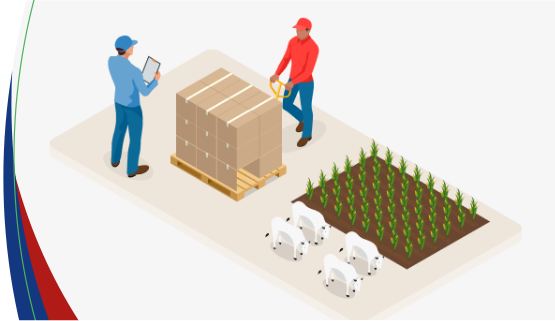
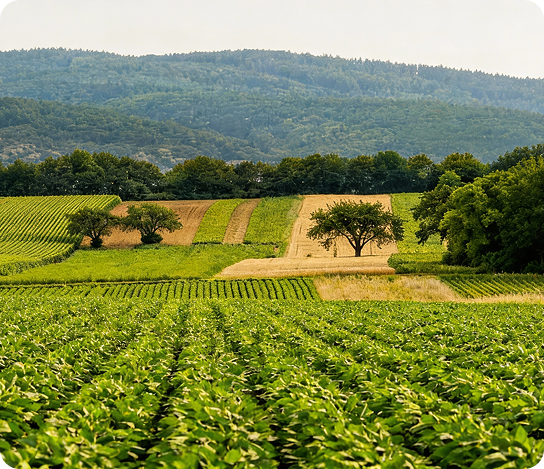
Supply Chain Management is one of the main pillars of MBRF’s sustainability efforts, and reflects our commitment to a responsible, transparent value chain aligned with global best sustainability practices.
Our focus on this pillar is directly connected to the agenda of combating deforestation and the conversion of natural ecosystems, recognizing the strategic role of the agricultural supply chain in preserving biomes and mitigating socio-environmental risks.
MBRF maintains relationships with a range of integrated suppliers and partners, who play a key role in supplying our operations in Brazil and abroad. This diverse and strategic network is managed through robust corporate policies, clear socio-environmental criteria, and traceability and monitoring mechanisms, ensuring that the main commodities acquired comply with our responsible procurement commitments and guidelines.
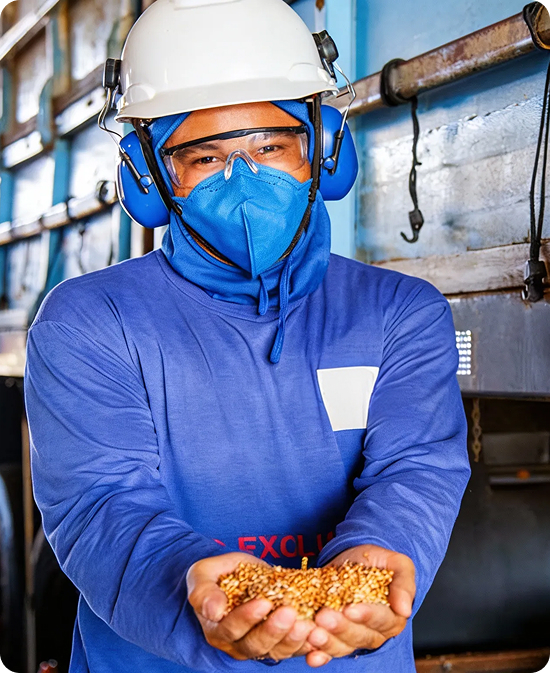
Our commodities
Within this agenda, we prioritize commodities considered critical from a socio-environmental risk perspective, particularly beef and grains, as well as exposure to supply chains such as poultry and pork through integrated production models. As a structured response to these challenges, MBRF implemented the Verde+ Program, which guides our actions throughout the supply chain and is structured around three complementary pillars:

Monitoring and control, using technology, public databases and technical criteria for evaluating socio-environmental compliance;

Engagement and support for suppliers, promoting productive inclusion, regularization, and continuous improvement;

Incentives and recognition of good practices, encouraging a consistent transition to deforestation- and conversion-free supply chains.
Highlights
In 2023, we announced that we were bringing forward by five years our goal of achieving full traceability for all our suppliers of animals for slaughter – both direct and indirect – across all biomes where animals originate in Brazil. With this, we aim to ensure that 100% of the company’s production chain is sustainable, traceable, and deforestation-free by 2025.
Cattle
– By 2025, the company achieved 100% socio-environmental monitoring of its indirect cattle suppliers, while also maintaining 100% monitoring of its direct suppliers. This result encompasses the Amazon, Cerrado, and all other Brazilian biomes with animal origin, guaranteeing full compliance with the public commitment undertaken by the company.
– For the 13th consecutive year, the processes for purchasing cattle from the Amazon biome have shown 100% compliance in independent audits, fully meeting the criteria and guidelines of the Public Commitment to Livestock Farming.
Grains
– In 2024, we achieved 100% monitoring of direct and indirect grain suppliers, anticipating by one year the public commitment made to the supply chain.
Green+ Program
Through the Verde+ Program, MBRF is committed to delivering a 100% monitored supply chain, free from deforestation and conversion, and geared towards reducing carbon emissions. The program is based on the principles of production, conservation, and inclusion, recognizing that the sustainable development of the supply chain depends on a combination of productive efficiency, environmental protection, and strengthening of suppliers.
Adoption of monitoring and traceability technologies
Adoption of monitoring and traceability technologies
MBRF adopts innovative technologies and approaches to enable large-scale socio-environmental monitoring. The mechanisms range from cattle tagging, satellite monitoring, georeferencing of rural properties, use of blockchain systems, and the development of risk maps that cross-reference public data on native vegetation, pasture areas, local communities, herd concentration, and deforestation occurrences. These tools make it possible to identify areas most susceptible to deforestation and strengthen the monitoring of indirect suppliers, one of the main structural challenges in the livestock supply chain.
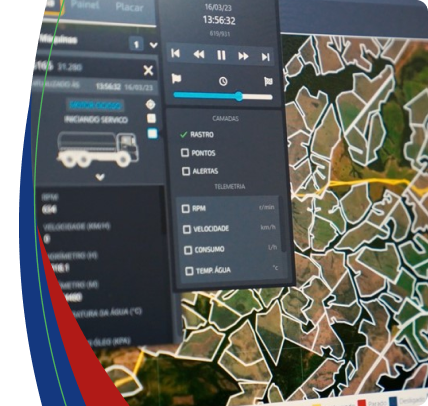
Structuring technical assistance and technological advancement
Structuring technical assistance and technological advancement
The program promotes the dissemination of best productive and socio-environmental practices on farms, covering topics such as animal nutrition, herd management, breeding, environmental compliance, and land regularization. This front includes initiatives to modernize production and implement low-carbon and zero-carbon beef protocols, developed in partnership with the Brazilian Agricultural Research Corporation (Embrapa), contributing to gains in efficiency, productivity, and sustainability.
Supplier engagement

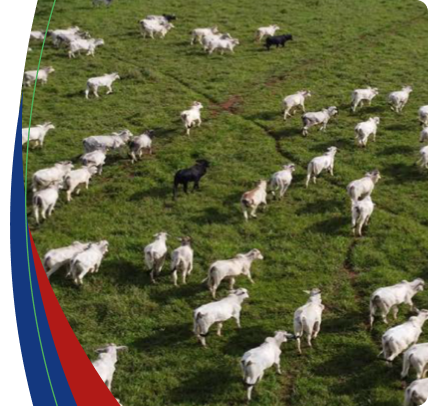
One of the main initiatives for engaging and building relationships with suppliers, within the scope of Verde+, is the Marfrig Club, created to strengthen long-term partnerships, encourage continuous improvement, and promote productive and socio-environmental practices aligned with the company’s commitments. Within the program, MBRF encourages the adoption of technical criteria, transparency, and accountability, recognizing and valuing suppliers who are making progress in sustainability.
As part of the Marfrig Club, we developed the Sustainable Practices Guide, which acts as a guiding instrument, bringing together technical, productive, and socio-environmental guidelines that support suppliers in adapting to the program’s criteria and evolving their practices in the field. The guide addresses topics such as environmental compliance, farm management, animal welfare, traceability, production technology and continuous improvement, reinforcing the educational, collaborative and inclusive nature of the Marfrig Club and contributing to an increasingly responsible, transparent and resilient supply chain.

Our territorial reach
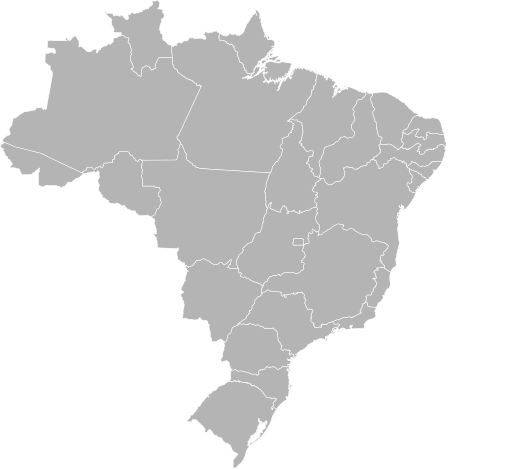
MBRF’s performance in origin control and traceability is guided by a risk-based approach, which recognizes the territorial diversity of the locations where it operates and the different existing socio-environmental pressures. Some locations contain areas with greater exposure to the risks of deforestation and conversion of natural ecosystems, which requires differentiated strategies focused on where the risks are most significant.
Based on the Socio-environmental Risk Mitigation Map, MBRF prioritizes its actions in different regions, mainly the Cerrado and Amazon biomes, as they are considered more critical, directing monitoring, control, engagement, and support efforts for regularization to regions with greater socio-environmental vulnerability. This approach allows for the concentration of resources and actions where the potential impact is most significant, strengthening deforestation prevention, risk management, and socio-environmental compliance throughout the supply chain.
Our Initiatives

Cattle
Low-carbon livestock production and productive inclusion
Through structuring programs such as Verde+ and Marfrig Club, we promote sustainable intensification practices, pasture management, integrated systems (ILP and ILPF), forest restoration, and low-carbon beef protocols. The initiative combines technical assistance, incentives, and access to financial mechanisms aligned with ESG criteria, supporting the transition of the supply chain to more efficient, resilient, and lower-emission models.
Sustainable Calf Production Program
MBRF works to ensure the sustainability of the beef cattle supply chain from the animal breeding phase, a critical stage for controlling socio-environmental risks and for traceability. In partnership with IDH, we support the Sustainable Calf Production Program, which promotes technical training, environmental and land regularization, and individual traceability of animals.
The program is present in the state of Mato Grosso, a strategic and priority region from the perspective of deforestation risk. Since 2024, we have reinforced this commitment through an investment of €1.75 million, expanding actions in technical assistance, sustainable intensification of production, impact monitoring, and forest restoration, strengthening the supply of sustainably sourced calves from the rearing phase of the animals (Tier 3).
Organic and traceable production
The program is based on a certified organic production system, with individual animal traceability, extensive management on natural pastures, absence of synthetic chemical inputs, and rigorous sanitary control. This approach ensures transparency throughout the supply chain, compliance with international standards, and access to higher value-added markets. The program grew by 6% in 2024, with 1.2 million hectares certified and an average production of 1,000 tons per month, with individual traceability and access to international markets.

Poultry
Productive integration model with socio-environmental control
Poultry and swine production is based on a vertically integrated model, in which integrated producers operate under contracts, continuous technical assistance, and defined socio-environmental criteria. This model ensures standardization of practices, animal welfare, productive efficiency, and alignment with company policies.
Emissions reduction and waste management in integrated producers
We promote the transition to lower-impact animal production for our integrated producers through the use of renewable energy, the installation of solar panels, and the expansion of waste treatment and reuse, transforming residues into biogas and biofertilizers. These initiatives reduce emissions, increase resource efficiency, and contribute to the decarbonization of the integrated supply chain.
IAgo Virtual Extensionist
To support extension workers in the field, we developed IAgo, a generative artificial intelligence that answers questions and provides useful information on animal management and health, water resources, waste, manure, and energy, promoting conscious and efficient consumption. IAgo uses a knowledge base comprised of manuals, standards, and other relevant documents to provide answers quickly and objectively.

Grains
Sustainable purchasing of inputs and grains
We follow a Sustainable Grain Purchasing Policy, ensuring that 100% of the grains used in animal feed are monitored, traceable, and adhere to socio-environmental criteria. This practice is essential to reduce the risks of deforestation and conversion associated with the supply chain.
Innovation in commodity monitoring
In 2024, MBRF implemented the Yuri chatbot, a virtual assistant to optimize socio-environmental analyses of farms and grain suppliers, which brought agility and significant advances in monitoring our supply chain. Integrated with WhatsApp, Yuri uses data such as CPF (Brazilian individual taxpayer registration number), CNPJ (Brazilian company taxpayer registration number), and Rural Environmental Registry (CAR) to generate detailed reports, identifying possible irregularities in supplier practices in relation to our Sustainable Grain Purchasing Policy.