Climate change and the failure to contain it are among the main global risks for the coming years, with the potential to impact our entire value chain. Therefore, this issue is a key strategic priority for the company, guiding initiatives that strengthen business resilience and contribute to the transition to a low-carbon economy.
In this context, we have set ambitious, science-based climate targets: our challenges have been validated by the Science-Based Targets initiative (SBTi) and are in line with the goal of limiting global warming to 1.5°C, as foreseen in the Paris Agreement.
Pioneers in their respective segments, Marfrig and BRF reinforce this shared ambition. Marfrig was the first company in the beef protein sector to have its commitments recognized by SBTi, while BRF became the first company in the food industry validated under the FLAG methodology, which considers emissions associated with forests, land use, and agriculture. With the formation of MBRF, the company’s climate goals are being reviewed and harmonized, ensuring alignment with the new integrated structure and the shared ambition for decarbonization.
GHG emissions management
The Greenhouse Gas (GHG) Inventory is a fundamental tool in our climate management, allowing us to quantify emissions, identify the main sources, and guide mitigation strategies based on consistent data.
Our inventory covers Scopes 1, 2, and 3, ensuring a comprehensive view of direct emissions from operations, indirect emissions associated with energy procurement, and indirect emissions from the value chain. The main sources of emissions are related to agricultural production — especially methane from animal farming — as well as land use, energy consumption, and logistics processes. These factors guide our decarbonization priorities and strategies.
We are one of the 27 founders of the Brazilian GHG Protocol Program and have fully adopted its methodology in preparing the annual inventory, aligning our practices with global measurement and reporting standards. For over a decade, we have published our results in the Public Emissions Registry, reinforcing our commitment to transparency and accountability.
Our inventory is verified by an independent third party and holds the Gold Seal — the highest level of the program — ensuring the quality, integrity, and reliability of the reported information.

Gold Seal
In 2025, BRF earned, for the 15th consecutive time, the Gold Seal of the Brazilian GHG Protocol Program, the highest level of certification awarded to companies that demonstrate transparency in publishing their greenhouse gas emissions inventories. Marfrig, in turn, achieved the Gold Seal for the second consecutive year.
To access the results of our Greenhouse Gas Emissions Inventory, please visit the BRF Integrated Report clicking here, and the Marfrig Integrated Report Click here.
Initiatives
MBRF’s action plan is organized into four priority areas, which represent the company’s concrete response to climate challenges: a deforestation-free supply chain, low-carbon agriculture, energy transition, and operational efficiency, and we have already taken concrete steps in this direction.

Deforestation-free and conversion-free supply chain
MBRF is committed to ensuring a 100% monitored supply chain, both direct and indirect, that is free from deforestation and conversion by 2025.
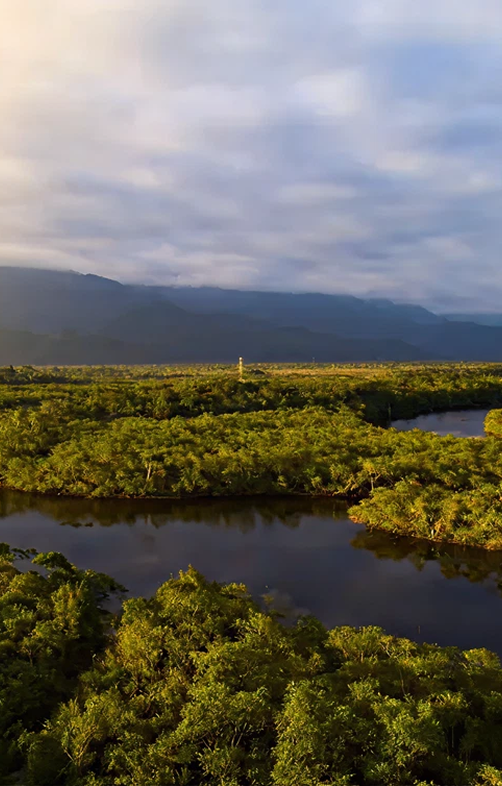
This commitment is materialized through the Verde+ Program, an initiative that strengthens supply chain monitoring, ensures rigorous socio-environmental criteria, and promotes low-emission production.
Structured around the principles of production–conservation–inclusion, the program rests on three pillars: advanced monitoring and traceability technologies; technical assistance for producer development; and financial mechanisms that incentivize the adoption of sustainable practices.
Highlights:
- Deforestation and conversion-free supply chain
- Supply chain monitoring of direct and indirect suppliers
-
100%
traceability of direct and indirect cattle suppliers
-
100%
traceability of direct and indirect grain suppliers

Low-carbon agriculture
MBRF is making progress in reducing emissions throughout the production chain with a strategy based on science, innovation, and support for producers.
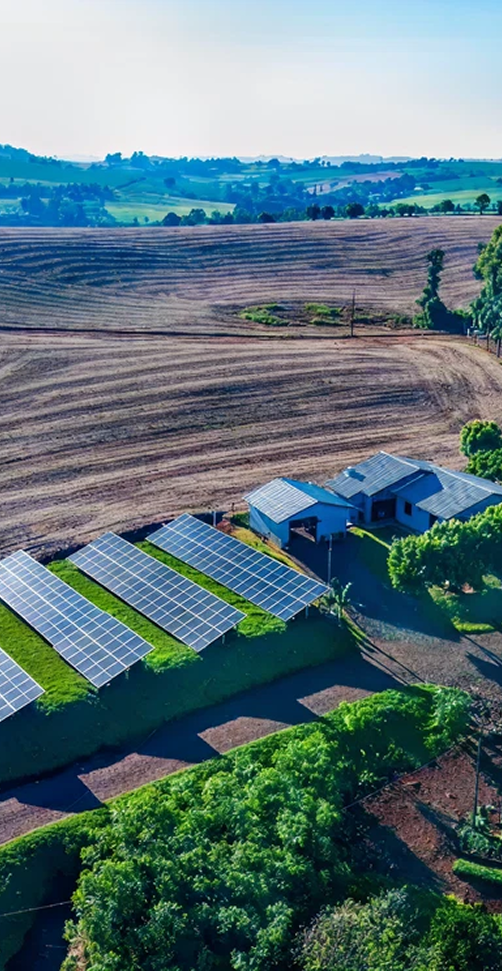
In livestock farming, we promote genetic improvement to increase productive efficiency, adopt nutritional additives that reduce enteric methane, and follow practices validated by Embrapa’s Low Carbon Protocol. In the poultry and pork supply chains, we encourage the use of solar energy on integrated farms and the adoption of biodigesters that convert waste into renewable energy. These initiatives are connected to the Verde+ Program, which offers technical assistance, financial solutions, and socio-environmental monitoring for direct and indirect suppliers, strengthening traceability and driving the transition to low-emission systems. With this integrated approach, MBRF is building a more efficient, sustainable supply chain aligned with global climate challenges.
Highlights:
- 61% of poultry farming with solar energy in the integration
- Portfolios of low and carbon-neutral emission products
- Low Carbon Beef and Carbon Neutral Beef Protocols
- Use of methane-reducing feed additives for cattle
- Genetic improvement
- Native forest restoration and partnerships for pasture recovery

Energy transition
MBRF is committed to advancing the transition to an increasingly cleaner and more efficient energy matrix.
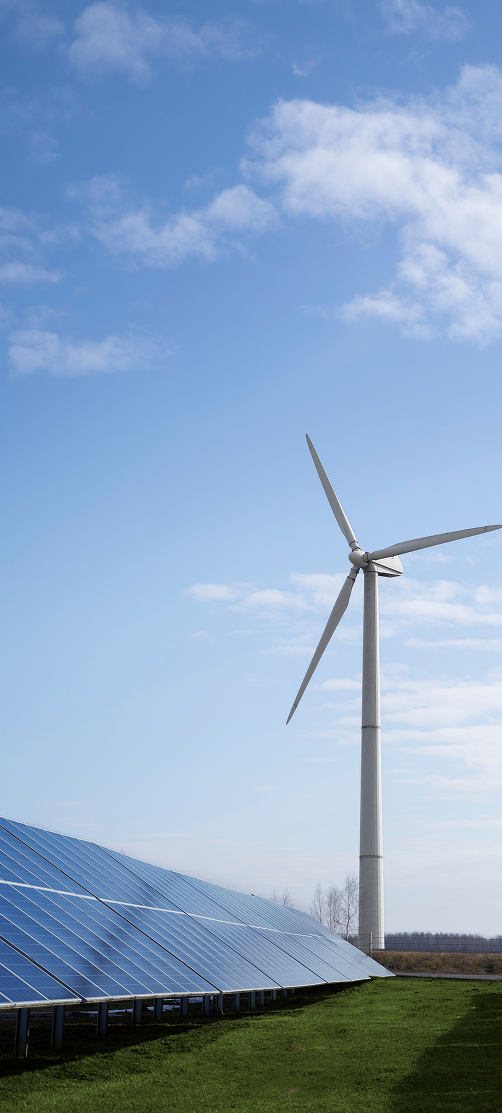
As part of this movement, we have set a target to achieve 100% of electricity from renewable sources by 2030, reinforcing our commitment to low-carbon solutions across all operations.
To make this goal viable, we have consistently expanded investments in renewable energy generation. Since 2021, we have established partnerships to develop large-scale wind and solar projects, such as the Cajuína Wind Complex in Rio Grande do Norte and a solar park in Ceará, both dedicated to supplying our facilities. These initiatives strengthen our strategy of securing renewable, competitive energy aligned with the company’s climate targets.
Additionally, we continue to diversify the sources that make up our energy matrix. Among them, biomass from our Eucalyptus reforestation areas stands out as a significant contributor to the evolution of our indicators. Primarily used to generate steam for production processes, biomass reduces greenhouse gas emissions and enhances the energy efficiency of our operations.
Highlights:
-
90%
of the energy matrix from renewable sources
-
27 thousand
hectares of planted forest
-
50%
of electricity consumption from renewable sources
- Investments in self-generation energy parks

Operational efficiency
MBRF works continuously to increase the efficiency of its processes and reduce the environmental impact of its operations.
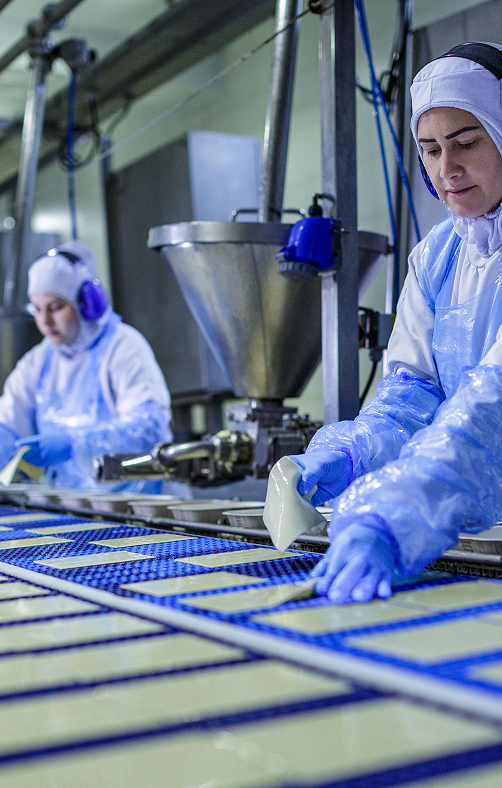
We are incorporating technologies that optimize resource use, enhance productive performance, and reduce emissions throughout the supply chain. This includes improvements in effluent and waste treatment, advances in refrigeration and transportation, and the adoption of more efficient solutions across our facilities and distribution centers.
The search for new technologies and suppliers is ongoing, always with the goal of optimizing processes and reducing energy consumption. We believe energy efficiency is a continuous process that requires constant improvement and openness to innovative solutions. Our governance plays an essential role in this movement, structuring forums to discuss the topic, define targets, and monitor results in an integrated manner.
These initiatives reinforce our commitment to increasingly modern, efficient operations aligned with the best environmental practices in the sector.
Highlights:
- Investments in energy recovery projects
- Energy excellence program
- Investments in effluent and waste treatment